PRODUCTION-GRADE DELIVERY MODEL

Production Delivery Architecture

End-to-end delivery model for a containerized Node.js workload on AWS ECS Fargate, covering CI/CD, infrastructure as code, remote state governance, IAM segmentation, HTTPS ingress, and operational observability.

IaC Provisioned
3 Environment Path
Gated Promotion
HTTPS Secure Ingress
1

CI/CD Pipeline with GitHub Actions

Governed delivery path that builds, packages, publishes, and deploys the service with environment-scoped configuration, remote state, and controlled promotion boundaries.
🔄
Automated Dev Delivery
Merges to main trigger dev deployments, keeping integration feedback fast while preserving higher-environment gates.
🎯
Controlled Promotion
Staging and production releases remain explicit through workflow_dispatch, keeping promotion intentional and reviewable.
🔐
Runtime Secret Boundaries
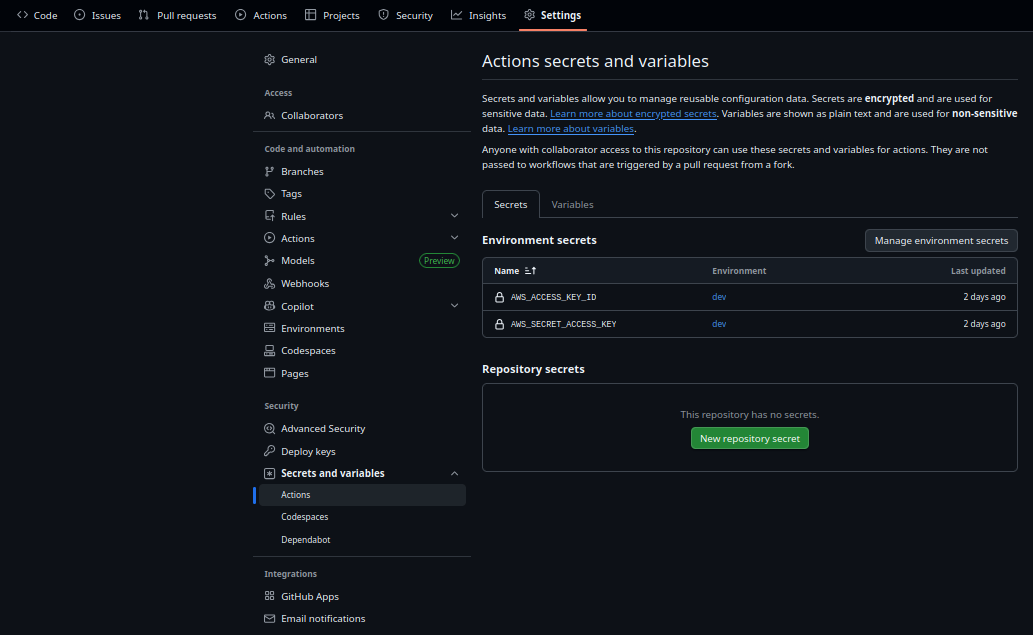
AWS credentials are injected at workflow runtime through GitHub Secrets and never committed with the source.
⚙️
Environment Contract
Region, service naming, VPC CIDR, TLS, and Terraform backend values are externalized through repository variables.
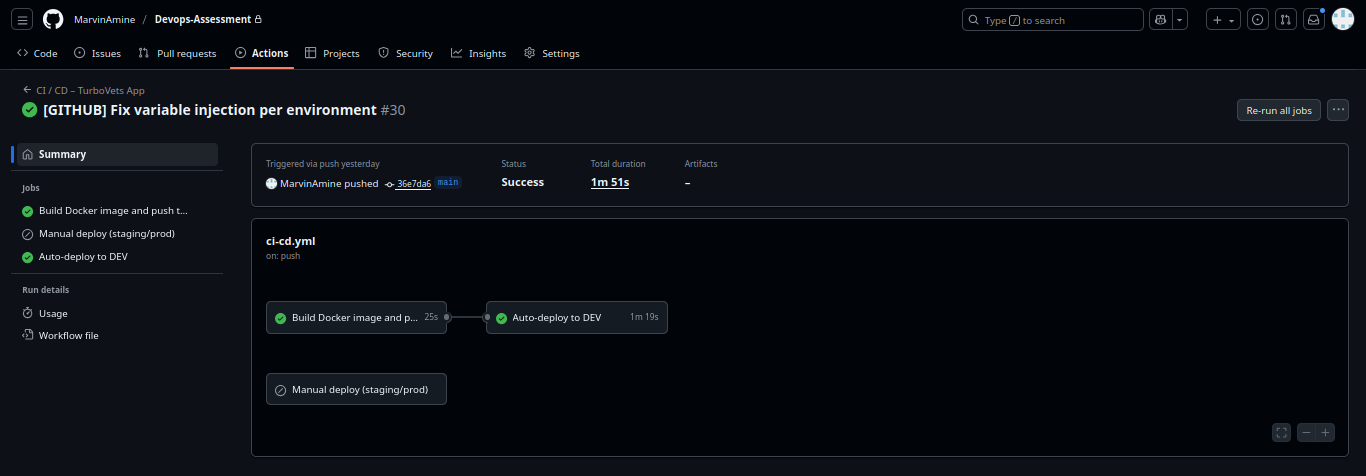
✓ SUCCESS Delivery Pipeline Execution
Build image → publish to ECR → deploy infrastructure and service through CDKTF
GitHub Actions Jobs
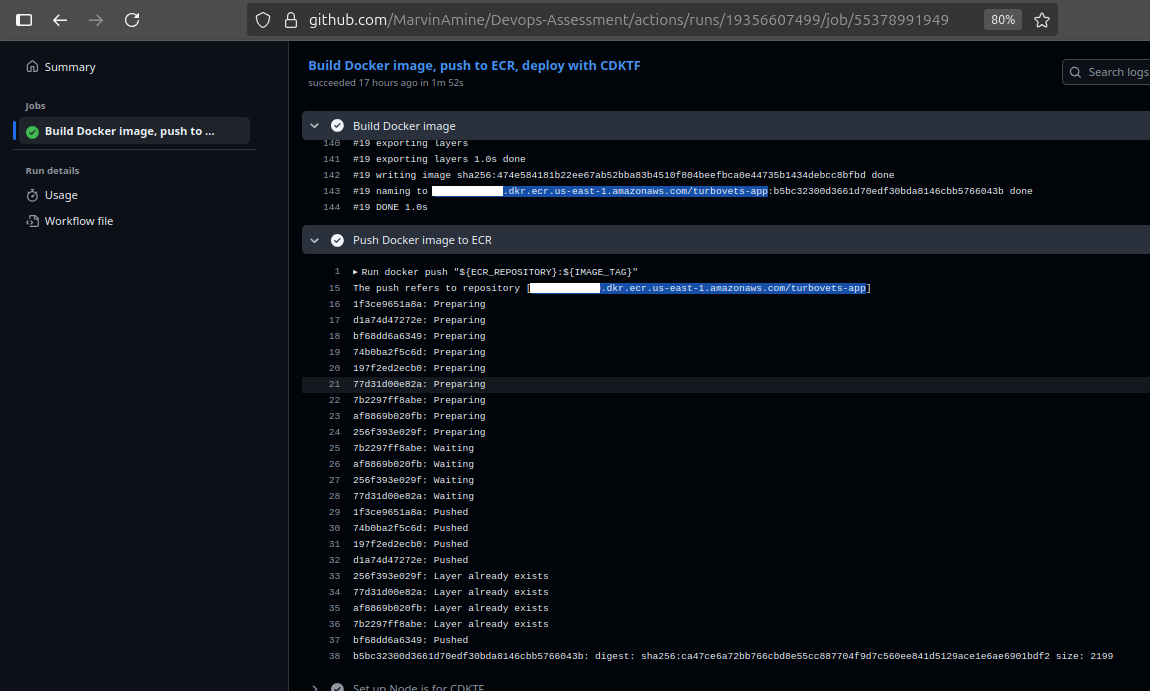
DOCKER Container Build & ECR Publish
Repeatable Docker build with ECR repository bootstrap handled by the pipeline
Docker Build and ECR Push
MANUAL Controlled Staging / Production Promotion
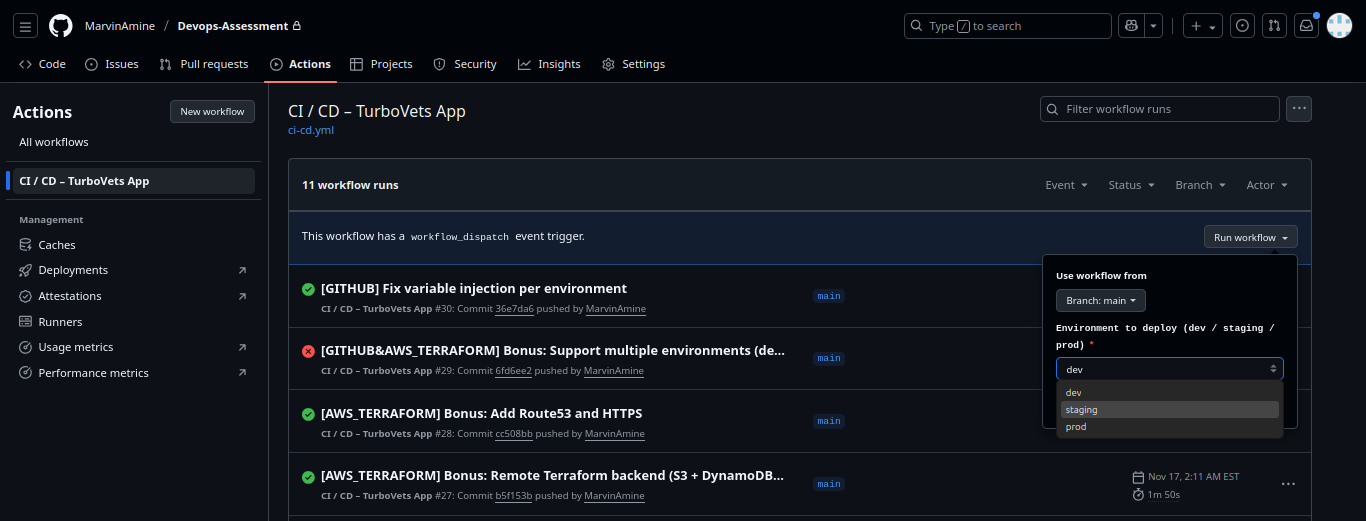
Manual workflow_dispatch input separates integration delivery from release promotion
GitHub Actions Manual Staging and Prod Deploy
💡 ECR Lifecycle Boundary
The ECR repository is deliberately owned by the CI lifecycle rather than the Terraform stack. This keeps container artifacts independent from environment rebuilds and avoids deleting repositories that still contain deployable images.
  • CI creates the repository on demand when the first image is published.
  • Terraform state remains focused on runtime infrastructure instead of artifact retention.
  • Container images remain available during infrastructure updates, teardown tests, and rebuilds.
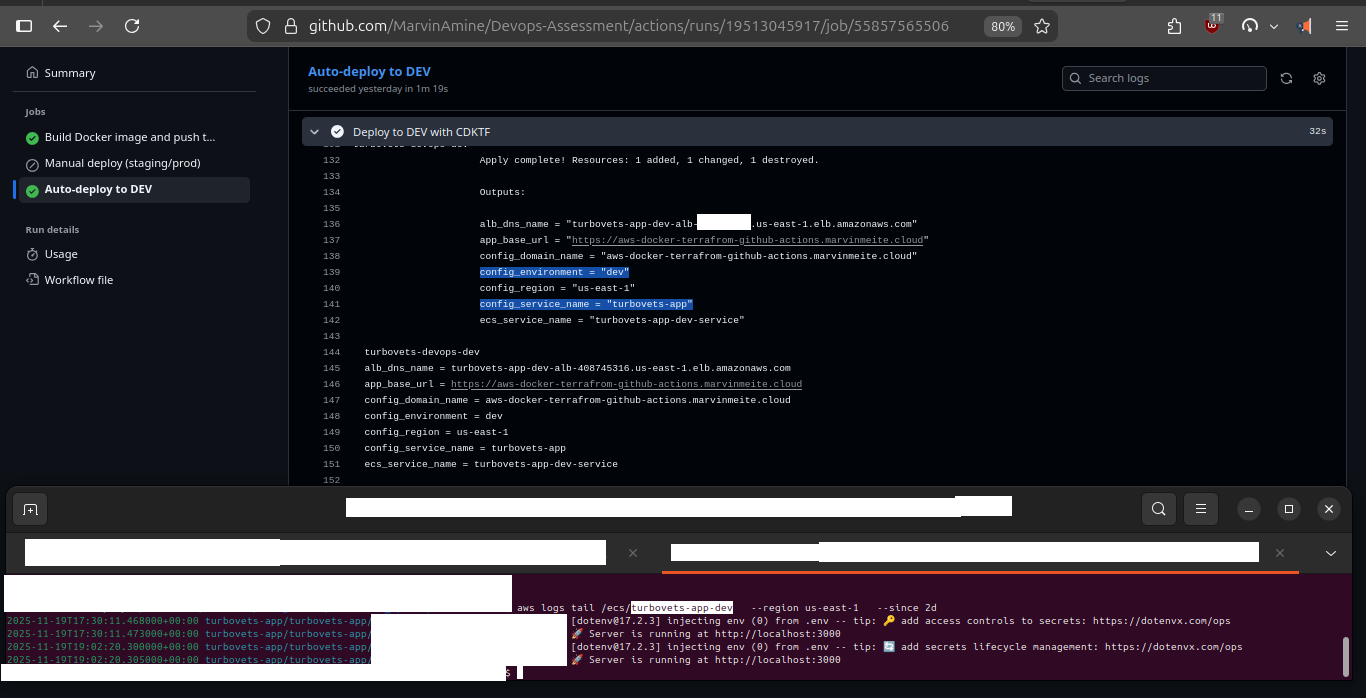
CDKTF CDKTF Infrastructure Apply
Infrastructure deployment with remote state and CloudWatch log integration
Terraform and CloudWatch
🧱 Terraform State Governance (S3 + DynamoDB)
Terraform state is stored remotely to make infrastructure changes auditable, repeatable, and safe for team-based delivery:
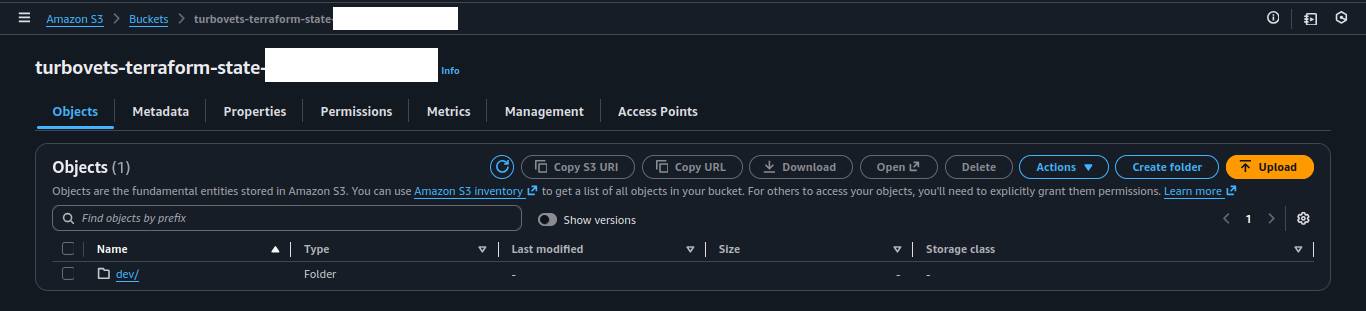
  • S3 bucket: stores environment-scoped terraform.tfstate files.
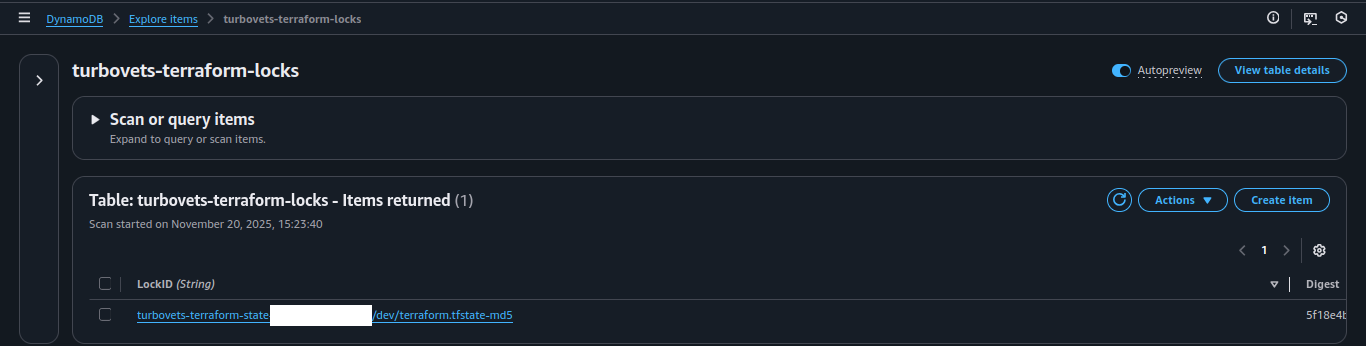
  • DynamoDB table: serializes state mutations and prevents concurrent cdktf deploy runs.
  • Backend config: supplied through repository variables such as TF_STATE_BUCKET and TF_LOCK_TABLE.
S3 BACKEND Remote Terraform State in S3
Centralized backend with environment-scoped state paths
AWS Remote Terraform Backend S3
LOCKING DynamoDB State Lock Table
State locking to serialize infrastructure mutations
AWS Remote Terraform Backend DynamoDB
🔒 SECRETS GitHub Secrets
Runtime credentials isolated from source control
GitHub Secrets
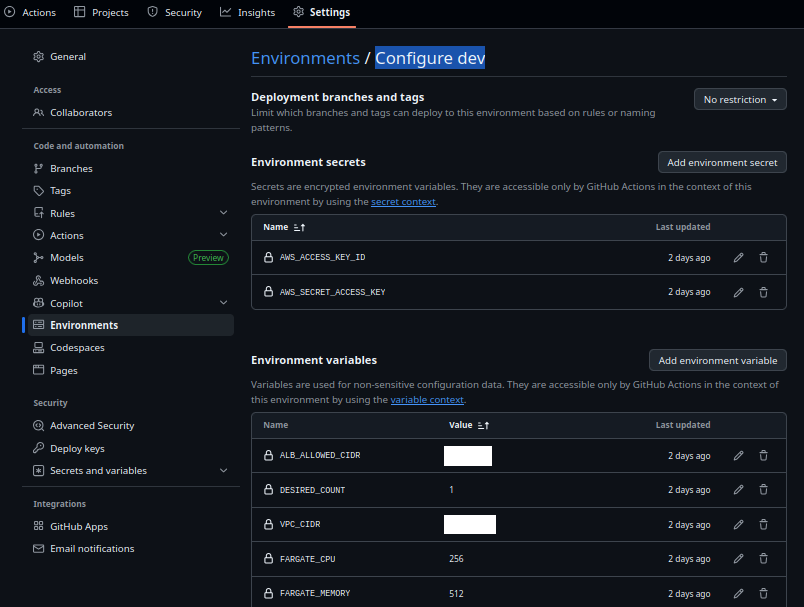
CONFIG Delivery Configuration Contract
Environment-specific infrastructure inputs managed outside the application code
GitHub Variables
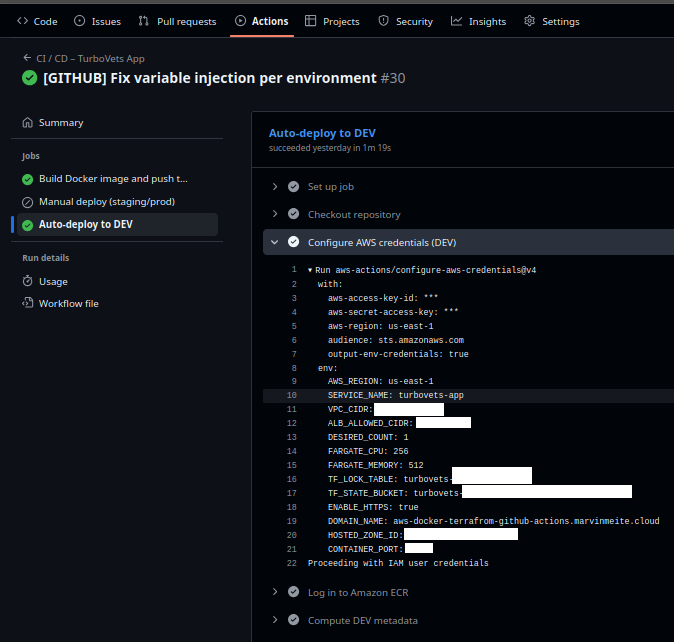
Variable Injection in Action

Deployment-time variable injection showing the complete environment contract consumed by CDKTF.

2

IAM Boundary & Security Model

Segregated CI/CD identity, group-managed permissions, and ECS task roles keep deployment authority, runtime execution, and future application AWS access clearly separated.
👤
Dedicated CI Identity
A non-human deployment principal keeps automation access auditable and separate from operator accounts.
👥
Group-Managed Permissions
CI permissions are centralized through IAM groups to simplify review and policy updates.
🎭
Runtime Role Separation
ECS execution and application roles separate platform actions from workload-level AWS access.
🔒
Least-Privilege Expansion
The application role starts empty and is extended only when the workload requires specific AWS APIs.
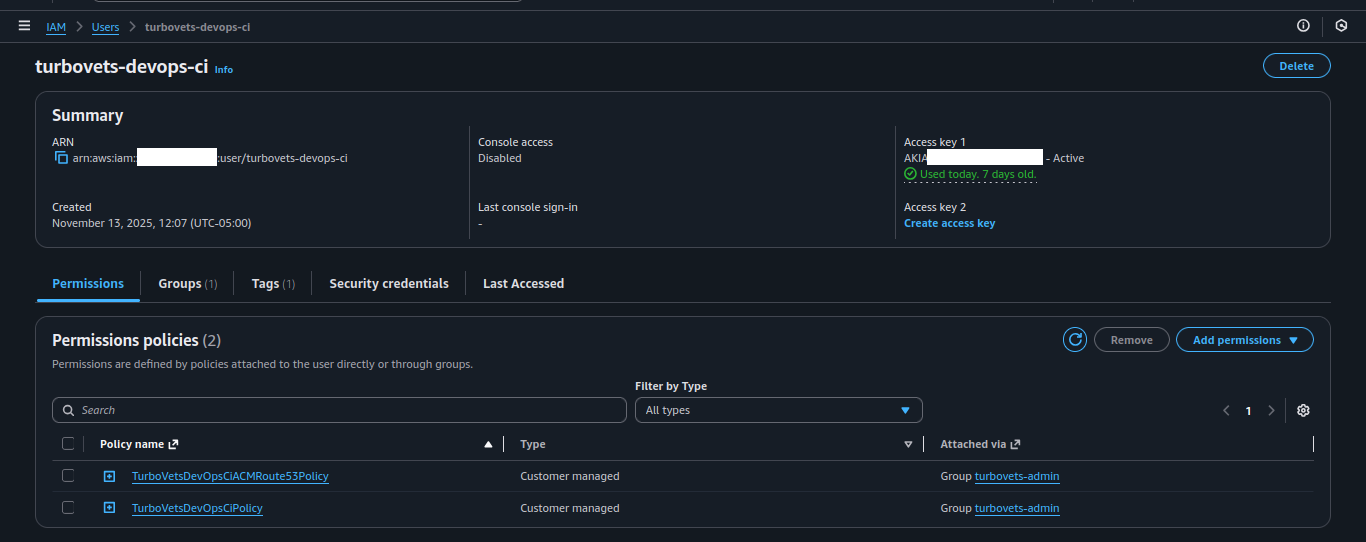
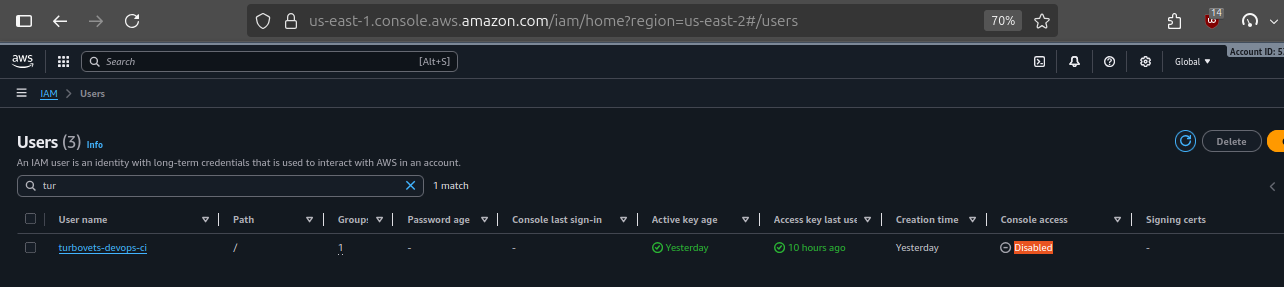
IAM USER CI/CD Identity
Dedicated AWS IAM principal for GitHub Actions delivery
AWS IAM User
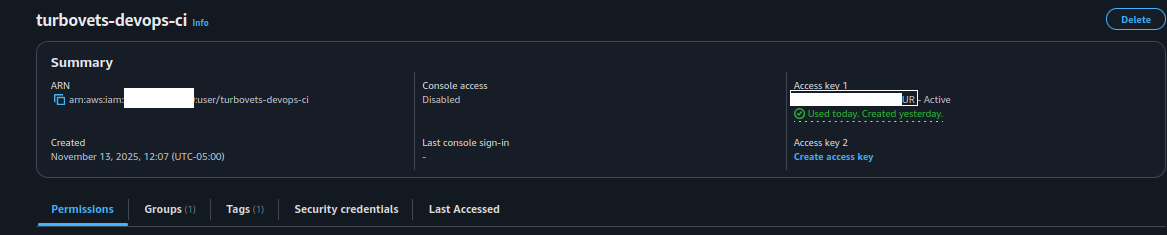
DETAILS Credential & Membership Summary
Access-key lifecycle and group assignment for the CI identity
AWS User Summary
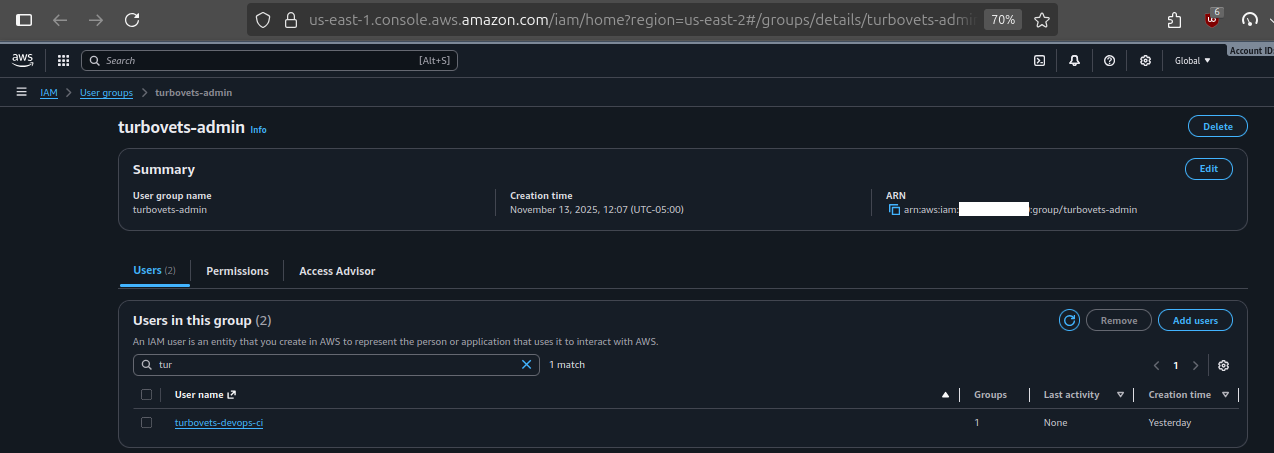
GROUP Group Membership
User assigned to turbovets-github-actions-group
User in Group
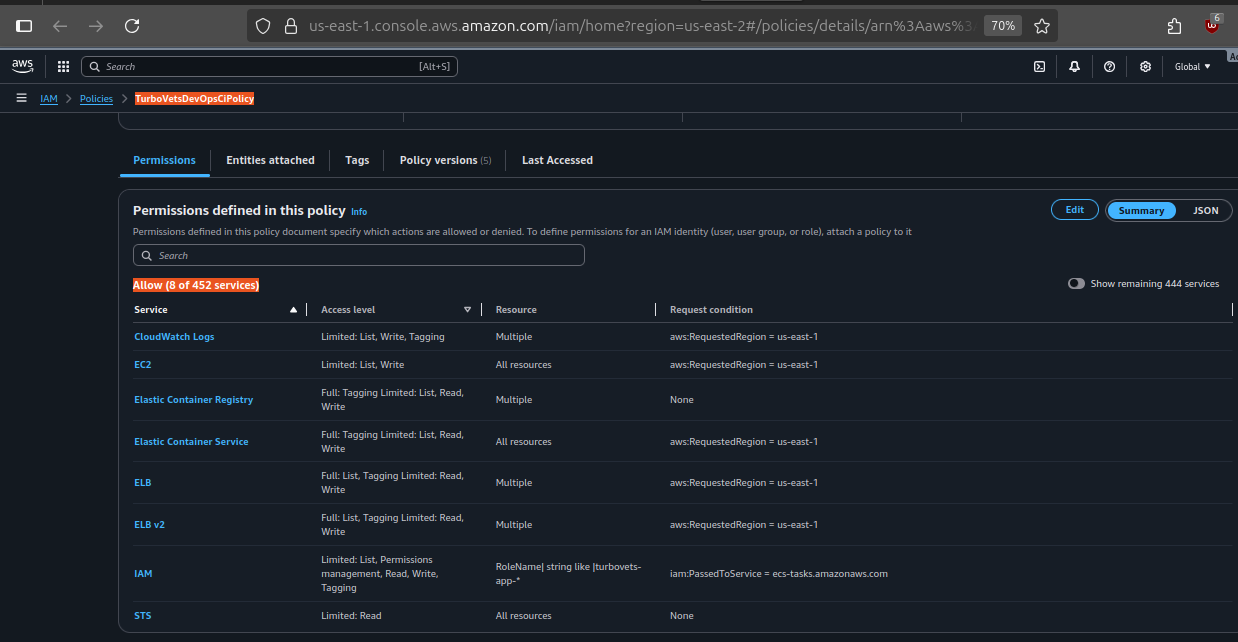
PERMISSIONS Deployment Permission Set
Grouped AWS permissions required for infrastructure and service delivery
Group Permissions
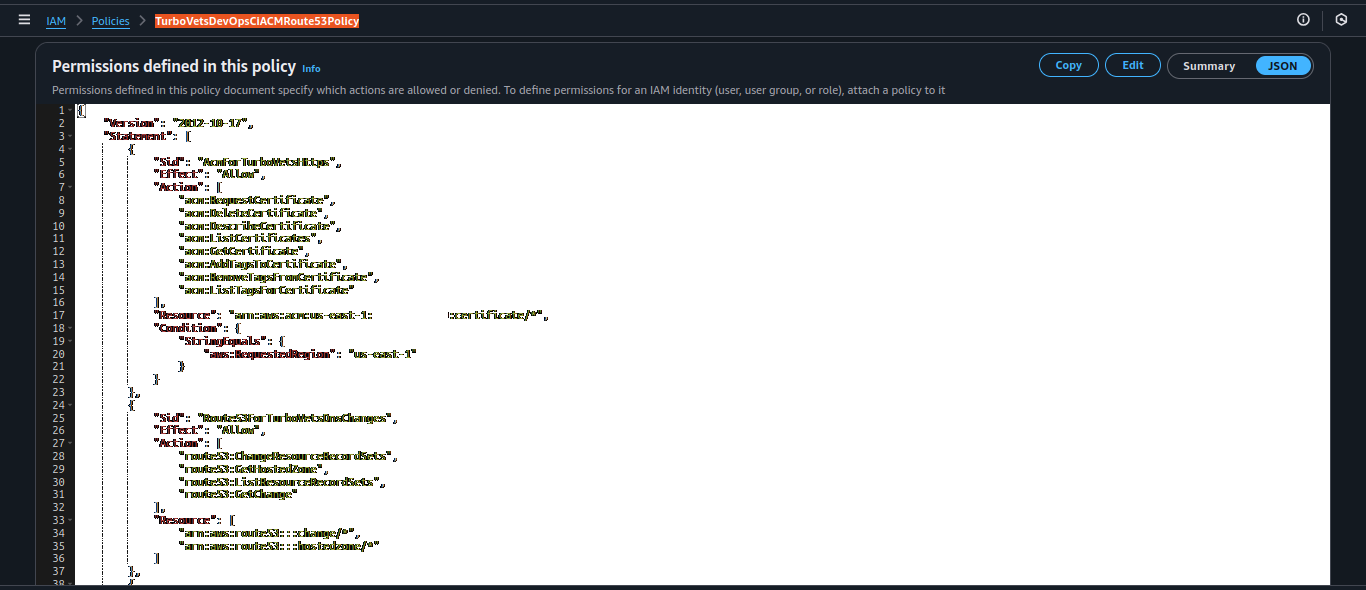
Complete User Permissions
TurboVetsDevOpsCiACMRoute53Policy policy

Permission breakdown showing inherited group policies and the dedicated Route53/ACM policy used for DNS and certificate operations.

🔐 IAM Design Decisions
  • Dedicated automation identity: CI/CD activity remains auditable and separate from human access.
  • Group-based permissions: Policies are easier to review, version, and adjust as the delivery surface grows.
  • No inline user policies: Permissions are managed through group-attached policies instead of user-specific exceptions.
  • Credential rotation: CI credentials can be rotated without source-code or application changes.
  • ECS execution role: Handles platform-level operations such as ECR image pulls and CloudWatch log publishing.
  • ECS application role: Kept empty by default and extended only for explicit workload-level AWS API needs.
3

AWS Runtime Infrastructure

CDKTF-provisioned AWS runtime foundation with multi-AZ networking, ECS Fargate service placement, HTTPS ingress, target group health checks, and security group segmentation.

Multi-AZ VPC
Public subnets across two Availability Zones provide baseline availability and blast-radius separation.
Application Load Balancer
TLS termination with ACM plus HTTP-to-HTTPS redirect for a single controlled ingress path.
ECS Fargate
Managed container runtime that removes server maintenance while keeping service scaling options available.
Security Groups
Network rules restrict traffic paths between the ALB and ECS tasks.
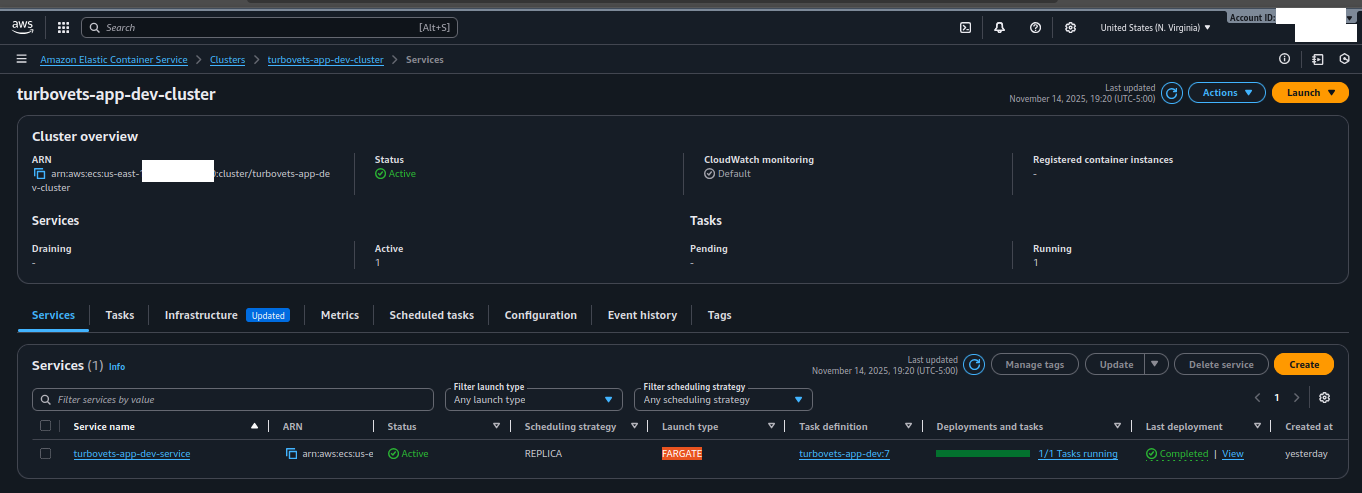
ACTIVE ECS Runtime Cluster
turbovets-app-dev-cluster hosting the dev service instance

ECS Clusters
SERVICE ECS Service Summary
Fargate service placement, desired count, and load balancer association
ECS Service Summary
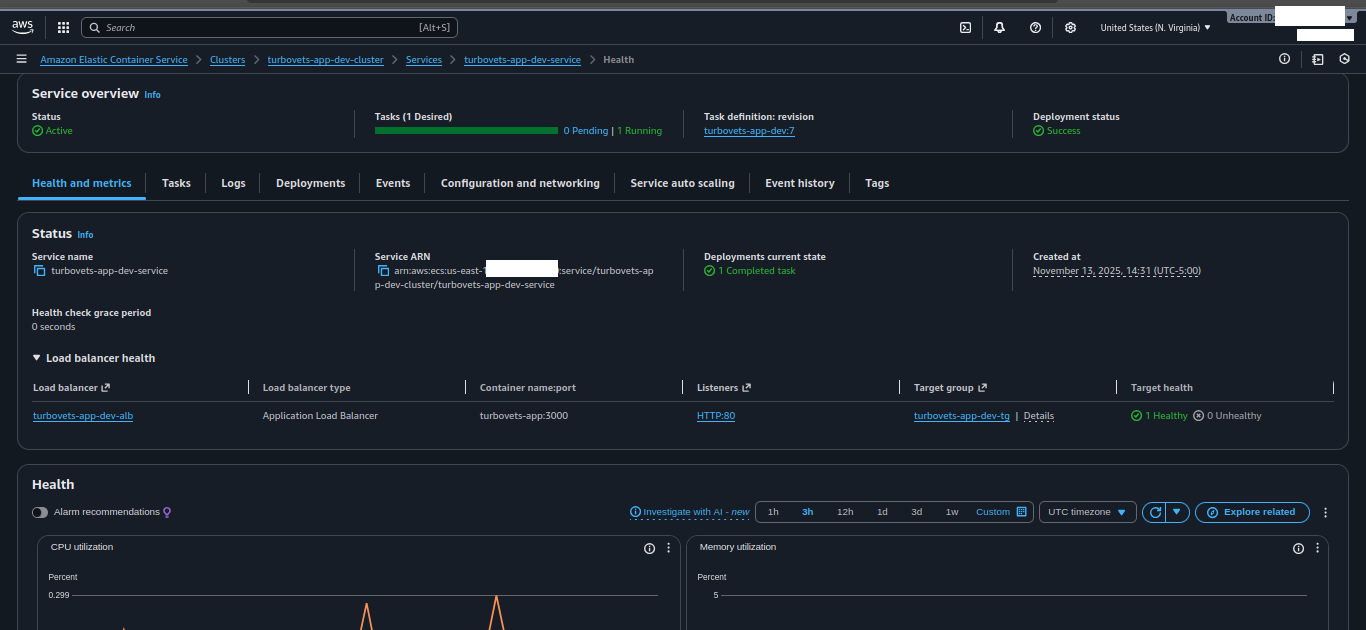
✓ HEALTHY Target Health Verification
ALB target group health checks are passing
ECS Health Status
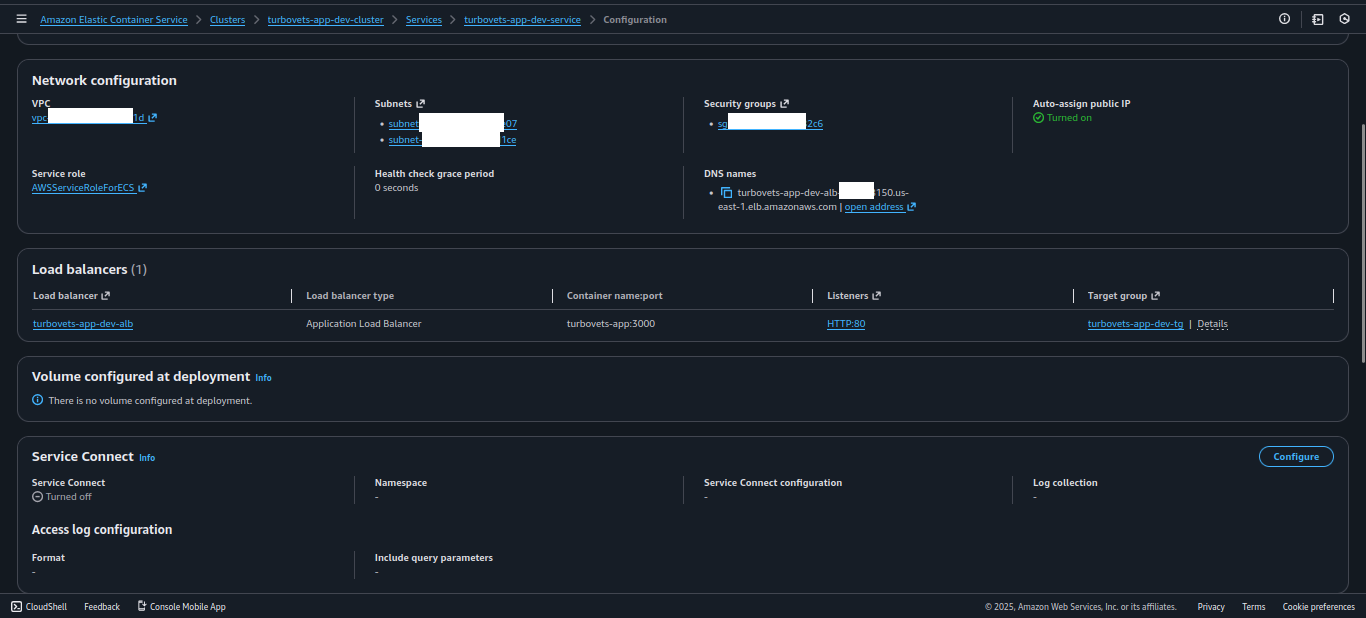
NETWORKING Task Networking & Security Groups
Subnet placement and traffic boundaries for ECS tasks
ECS Network Configuration
📌 Runtime Architecture Highlights
  • Core runtime resources such as VPC, ALB, ECS, and security groups are provisioned through CDK for Terraform.
  • Traffic follows a clear ingress path: Route 53 → ALB over HTTPS → ECS Fargate tasks.
  • CloudWatch Logs provide environment-scoped visibility for each ECS task family.
  • Networking, IAM, and deployment boundaries are intentionally separated to keep the platform understandable, supportable, and ready to evolve.